

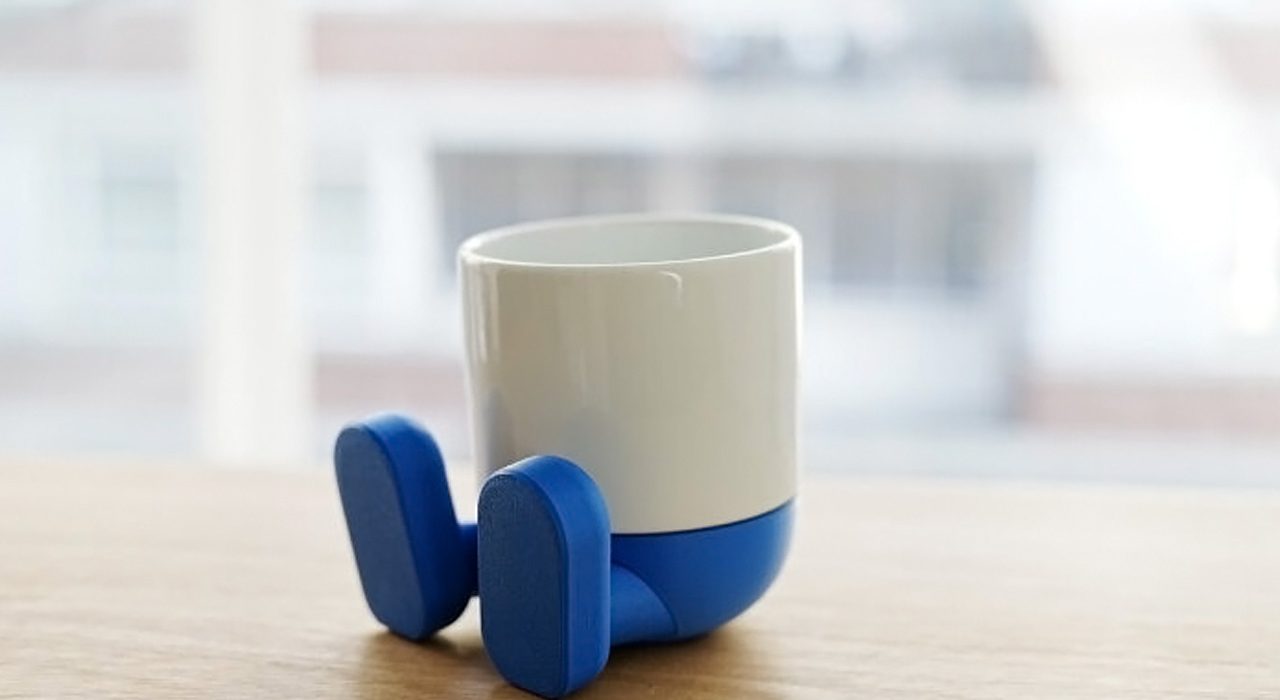
Modular Porcelain Cups Fuse Japanese Craft With 3D Printing
Imagine a teacup that evolves as easily as Lego pieces click together—a creation where centuries-old Japanese craftsmanship meets the precision of cutting-edge 3D technology. This isn’t a sci-fi concept but the reality behind the Corcelain collection, a revolutionary collaboration proving that traditional arts need not fade into oblivion. Designer Kosuke Takahashi has redefined ceramic design by merging ancestral porcelain techniques from Japan’s iconic Arita region with the limitless possibilities of 3D printing. The result? Modular cups that are as functional as they are forward-thinking.
The Recipe for Innovation: Tradition Meets Tech
Japanese porcelain has long been celebrated for its delicate elegance and meticulous handcrafting. Arita ware, originating in Saga Prefecture, is a prime example—its translucent beauty crafted over generations by artisans who painstakingly shape, carve, and glaze each piece. Enter Kosuke Takahashi, a designer with a vision to bridge this legacy with contemporary tech. Partnering with 224, a company specializing in AI-driven 3D manufacturing, Takahashi leveraged 3D printing to create molds that mimic traditional Arita shapes, allowing for mass customization without sacrificing authenticity. The process reduces waste and time, yet preserves the human touch in final finishes like hand-glazing.
At its core, Corcelain challenges the notion that tradition can’t adapt. Instead of replacing artisans with machines, it elevates their expertise. Each cup’s modular design—think interchangeable lids, bases, and handles—echoes the flexibility of a modern kitchen toolset, while its aesthetics nod to Japan’s revered kintsugi philosophy, celebrating imperfection and repair. This fusion isn’t just about form; it’s a testament to cultural resilience in an era of rapid technological change.
Key Highlights of the Corcelain Collection
- Modular Flexibility: Choose from 32 interchangeable components to build a cup tailored to your brew preferences—a narrow teapot spout for loose-leaf tea, a handleless design for meditation-style drinking, or an open lid for chai spices.
- AI-Enhanced Craftsmanship: 3D printing prototyped over 100 designs before settling on the final series, accelerating iteration cycles that traditionally took years. The molds also allow for precise replication of delicate Arita patterns.
- Eco-Conscious Creation: Recyclable materials are used for 3D-printed molds, and assembly reduces post-production transportation costs due to modular shipping.
- Collector’s Edge: Each piece is marked with a unique timestamp and digital certificate, merging blockchain authenticity with physical ownership.
Why This Matters Beyond Kitchen Trends
Corcelain isn’t just a product—it’s a cultural bridge. For artisans, it’s a lifeline. By reducing repetitive labor, 3D printing frees them to focus on skilled tasks like glazing and finishing, preserving their livelihood. For consumers, it reimagines function over waste. A modular cup eliminates the need for multiple, single-purpose vessels, aligning with sustainability principles. Here’s how this micro-revolution hints at larger shifts:
- Cultural Preservation: Technologies like 3D scanning and generative design could help document aging artisan techniques before they’re lost.
- Economic Equity: Lower production costs mean smaller studios can compete with mass manufacturers, democratizing artisan economies.
- Eco-Friendly Design: Modular systems challenge “use-and-throw” culture, encouraging repair and repurposing
Industry experts predict similar tech-infused revivals in basket weaving, lacquerware, and textile arts. But skeptics argue that over-reliance on AI could strip away the soul of craftsmanship. The key? Balance. As Takahashi states, “Technology should serve—never replace—the human hand.”
Final Thoughts: The Future Sips from the Past
Corcelain’s modular cups remind us that innovation isn’t about erasing history but rewriting it. By teaming AI with Arita’s legacy, Takahashi hasn’t just made a tea set—he’s redefined how heritage evolves. With personalized yet sustainable designs, it’s clear: the future of craftsmanship isn’t fragile; it’s interoperable. Whether you’re a tea devotee or tech enthusiast, this collection invites us to see tradition and technology as partners rather than rivals.
The Corcelain collection is now available through select retailers, inviting you to design your own story—one modular piece at a time.
#JapaneseCraftInnovation #3DPrintingRevolution #SustainableHomeGoods #DesignFuture #ArtisanTech